
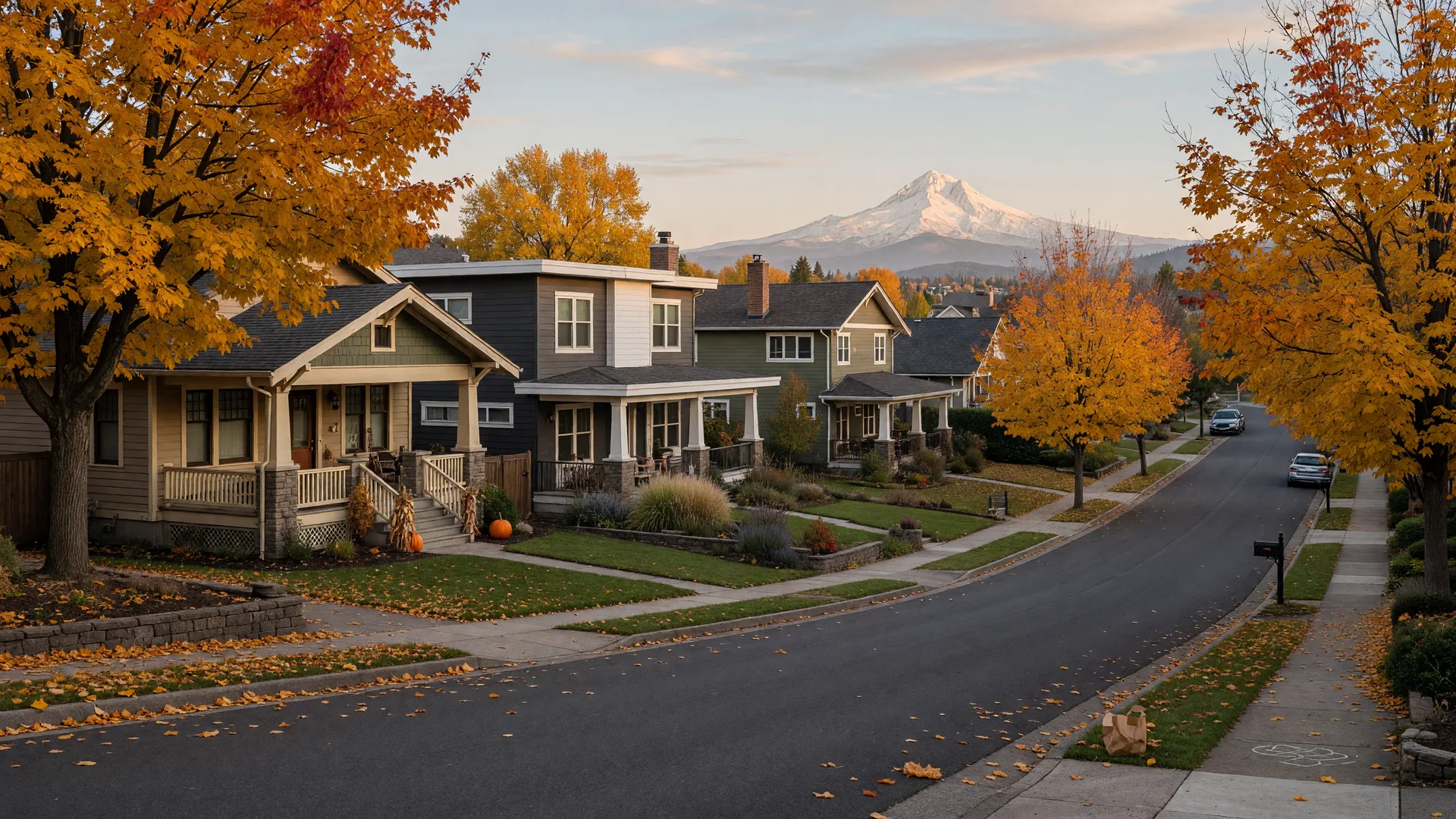
Happy Valley's market has reached a clear point of equilibrium this month. The freshest published numbers, from a September closing report and an October 13 listing snapshot, put median values just north of $700,000, with active inventory that keeps climbing and days on market that keep stretching. The story is no longer about momentum. It is about a normal, negotiable market, with mortgage rates the one real headwind. Here is what the fresh readings agree on, and what they mean if you are buying or selling in the final stretch of 2026.
September's closings, in the latest report
The most current local report, published by Cascade Sotheby's International Realty with an October 18 snapshot, shows Happy Valley's September median sale price at $702,498, up 5 percent from August, with a median list price of $714,398 and 34 homes sold during the month. One month does not make a trend, but a $702,000 median is the strongest monthly reading the valley has posted recently, and it is a reminder that values are holding even as the pace has slowed.
What the October listing snapshot shows
An October 13 snapshot of the 97086 ZIP from WeKnowPortland counts 184 active listings, a median list price of $699,850, an average of 86 days on market, and an average price per square foot of roughly $289. RealtyTrac's September reading for the same ZIP puts the median list price at $720,400 and the median sold price at $714,700 across 680 listed and 168 sold homes. The trackers will never agree to the listing, but they do agree on the shape: enough inventory to compare several homes, an asking-to-sold gap that varies by service and by home, and selling times measured in weeks, not hours.
Rates hold at 7.40 percent
The other headline of the week comes from Freddie Mac's Primary Mortgage Market Survey, whose October 15 report holds the average 30-year fixed rate at 7.40 percent, unchanged from the prior week after rising from 7.28 percent. A year ago this week the same benchmark averaged 6.27 percent. For buyers, the monthly payment, not the list price, is the binding constraint, and for sellers, the buyer pool is smaller and more rate-sensitive than it was a year ago. The payment math in our post on the September rate move still holds.
The metro context
The regional numbers make the valley look good by comparison. RMLS-based September figures for the Portland metro put the median sale price at $545,000, flat year over year, with closed sales of 1,752 and inventory at 4.2 months of supply. Happy Valley's median runs comfortably above the regional line, which is exactly what buyers are paying for: newer inventory, strong schools, and a full amenity map within minutes. Our September metro report walks through the regional detail.
What it means if you are buying
This is the most favorable late-October window in years. Inventory is deep, the holiday slowdown is close enough that motivated sellers are pricing to move, and negotiation on price, closing costs, and inspection items is routine. The counterweight is the rate: at 7.40 percent, a $700,000 purchase carries a significantly higher payment than it did a year ago, so shop lenders, compare the payment on competing homes, and run the numbers before you tour. Our mid-October snapshot lays out the same picture from two weeks ago.
What it means if you are selling
For sellers, the fresh numbers are a pricing signal, not a value warning. The median is holding above $700,000, but the homes that carry 86 days on market are the ones priced against last spring's comparables. Price from recent solds, present well, and expect the first two to three weeks to do the heavy lifting. In a market with this much inventory, the early momentum decides the outcome.
The takeaway
Happy Valley has settled into the normal, seasonal market that buyers have been waiting for: stable medians, abundant choice, and real negotiation, with rates the one thing that has not relaxed. For buyers, the weeks before the holiday lull are worth taking seriously. For sellers, realism from day one is the whole game. The street-level comparables in your specific neighborhood will always matter more than any citywide median, which is exactly what a local team is for.