
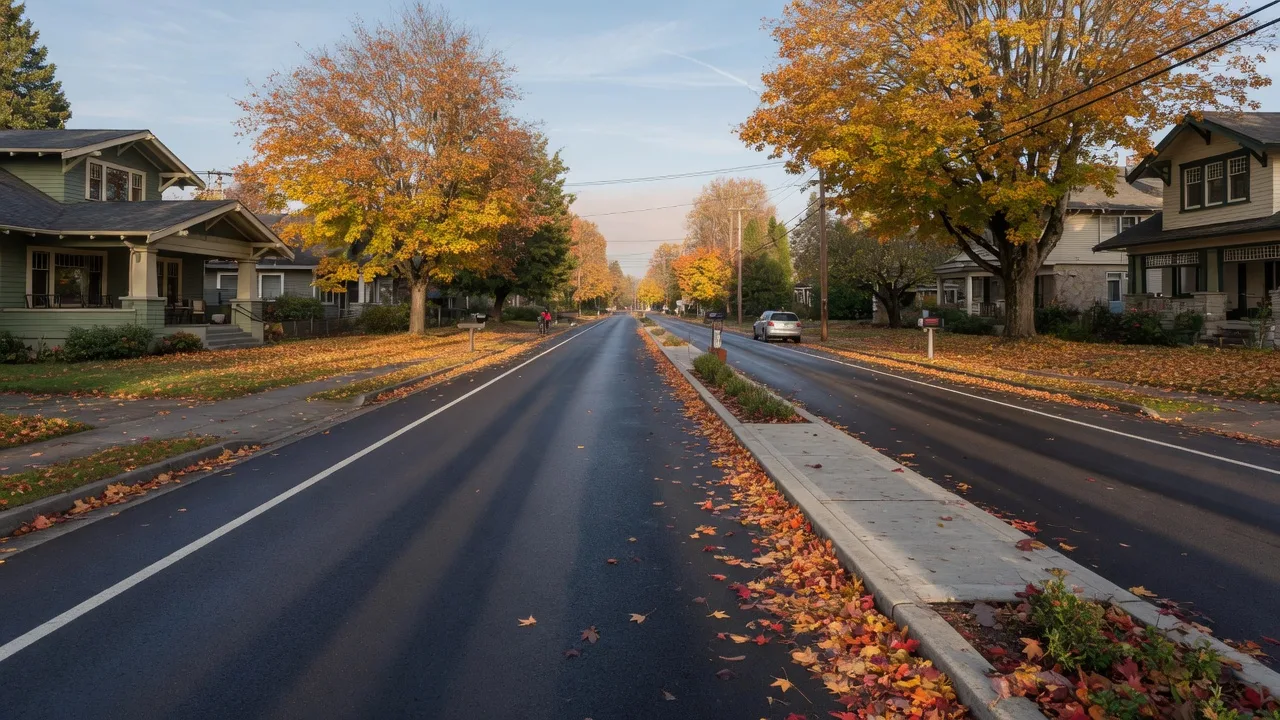
The City of Happy Valley has been quietly busy since September turned: new speed limits took effect on three corridors, a new city manager took the top job, and a package of proposed land development code updates is now in public review. Each one touches how the valley moves, how it is governed, and how it will build. Here is what changed, what is proposed, and what it means if you live here or are shopping for a home.
Slower speeds on three corridors
On September 2, the city reduced speed limits on three roads for traffic safety. On 172nd Avenue between SE Sunnyside Road and SE Huckleberry Street, the limit dropped from 45 to 35 miles per hour. On King Road between SE 129th and SE 145th Avenues, it went from 35 to 30. And on SE Idleman Road, limits were reduced along segments between SE Mount Scott Boulevard and beyond. The city published the changes on its speed limit announcement , so the exact segment boundaries are easy to check before your commute. For anyone who drives 172nd daily, the change is real: that stretch is also the corridor the city and county are widening to four lanes with a median, and the lower speeds are part of the same safety picture.
A new city manager
Ben Bryant became Happy Valley's city manager on September 1, moving up after serving as assistant city manager since 2015. In that role he oversaw major initiatives including the Happy Valley Library expansion, so the promotion is continuity as much as a change. City managers set the administrative direction behind the council's decisions, and Bryant's familiarity with the valley's big projects, from the library to the 172nd corridor, matters for how those projects land. The city's news page carries the announcement and the council's meeting schedule.
Land development code updates in public review
The most consequential item for anyone watching the valley's future is a package of proposed amendments to the Happy Valley Municipal Code, filed as Ordinance 607 under File No. LU-0013-2026. The proposal updates multiple chapters of Title 16, which covers development regulations and processes, and the city has been explicit that it makes no zoning map changes. In plain terms: the rules for how development is reviewed and approved are being modernized, not the map of what can be built where. The draft is under public review, and the city's proposed code amendments page is where the draft documents and comment process live. If you are buying in a neighborhood with future phases nearby, this is worth a skim.
The 172nd corridor keeps widening
Underneath the news items, the SE 172nd Avenue widening and infrastructure project, a city-county effort building four lanes with a center median, continues through the corridor. It is the kind of long-running project that shapes commute times and resale appeal alike, and it pairs with the growth story we mapped in our where Happy Valley is growing next post, from the Pleasant Valley/North Carver area to the future Main Street.
What it means for buyers and sellers
For buyers, the practical takeaway is quality of life and timing: which streets are getting safer, which corridors are being rebuilt, and where the development rules are heading all feed into how a neighborhood will feel in five years. For sellers, the same signals are talking points, because buyers ask about the widening project and the new library as often as they ask about schools. We keep the events and openings side of the valley updated on our Community Calendar , and the market context for all of it in our October market numbers .
The takeaway
Happy Valley's fall civic calendar is a story of steady improvement: slower streets, experienced leadership, a development code getting a modern refresh, and a main corridor being rebuilt for the long run. None of it makes headlines, but all of it shows up in how the valley feels to live in, and that is exactly what buyers should be paying attention to.