
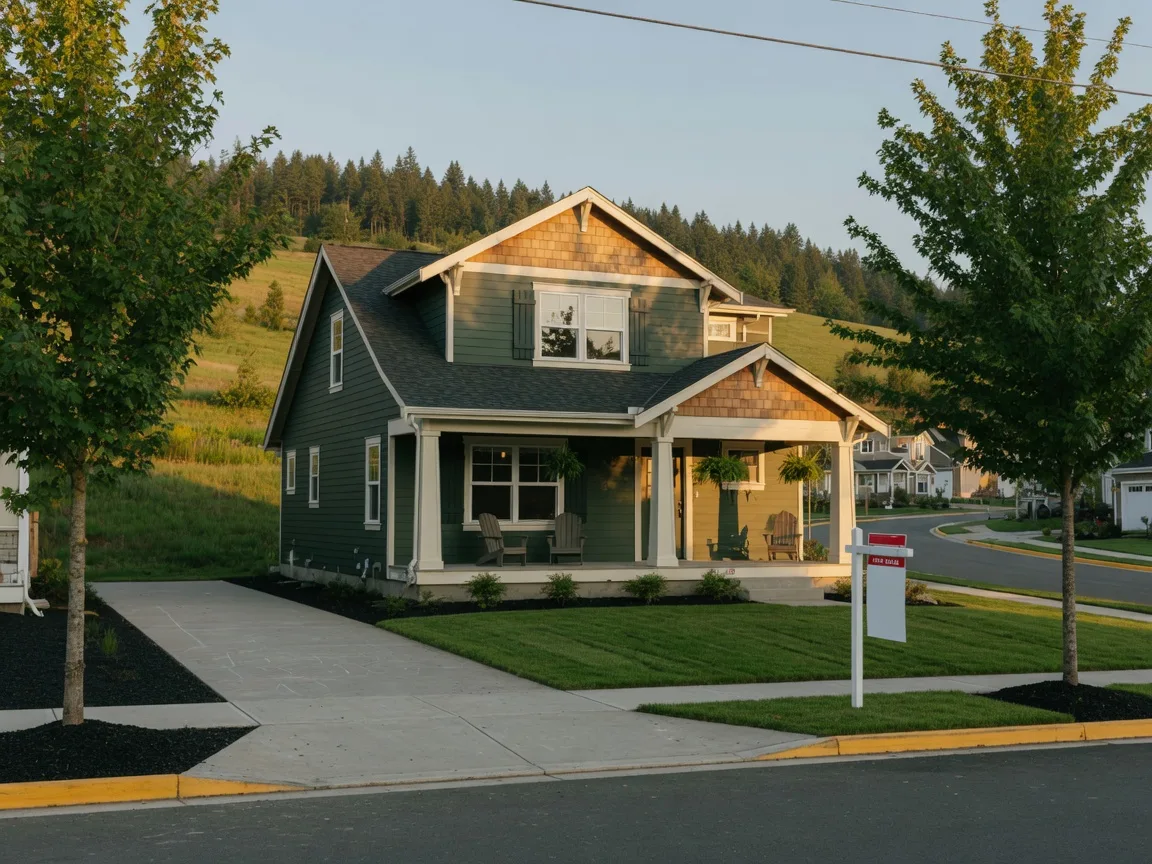
Walk into most new-home communities in the Happy Valley area and you will hear about incentives: subsidized interest rates, closing cost credits, upgraded appliance packages. What you are less likely to hear is that many builders keep prices artificially high, then use an interest rate buydown, often costing them $20,000 to $25,000, instead of simply lowering the price. This post is about what that math means for you, both at the closing table and when you eventually sell.
How a buydown works
A buydown is a lump sum, paid by the builder, that reduces your mortgage rate for a set period, most commonly the first two years of the loan. A 2/1 buydown drops the rate for year one, steps it up in year two, and reaches the market rate in year three. Your early monthly payment looks attractively low, and the builder gets to quote a list price that never really moved.
The trade-off is the price itself. When a builder spends $20,000 to $25,000 to buy down your rate instead of cutting the price, the sale price on the contract stays at the top of the market. You pay more for the home today, and your property taxes, insurance basis, and eventual resale expectations all start from that higher number.
The three-year question
Here is the risk that rarely gets discussed in the sales office: the buydown ends, the market rate kicks in, and if appreciation has not kept up with the premium you paid, you can be upside down when you resell. For buyers who plan to hold for seven to ten years, that premium usually absorbs into normal appreciation. For buyers who need to move in three years, for work or family, the timing can be uncomfortable: the loan balance is higher than the house is worth, and selling means bringing cash to the table.
"Date the rate, marry the house"
You have heard the advice from recent years: date the rate, marry the house. The logic was to accept today's rate to secure the home you wanted for the long term. It made sense when that rate was locked in and values were climbing. But a meaningful share of those buyers financed at peak prices, and now that the market has cooled and rates have moved, many are underwater. If that is you, or if you are weighing a builder offer and hearing yourself say the same thing, treat the advice as a caution flag rather than a rule.
What to ask before you sign
Three questions every educated buyer should put to the builder: first, what is the actual purchase price after incentives, compared to resale values in the same neighborhood? Second, would the builder instead reduce the price by the same $20,000 to $25,000, and what difference does that make to your loan, your taxes, and your resale cushion? Third, what does the three-year resale picture look like in this community, and can we see the comps that support it?
The bottom line
A subsidized rate is not a gift; it is an alternative to a price cut, and it shifts some risk from the builder to you. That does not make it a bad deal, it makes it a deal you should price both ways before committing. When you work with us, we run the buydown against the straight price reduction, show you the resale scenarios, and help you decide based on your timeline, not the banner in the sales office.